












Global IoT Connectivity  •  IoT SIM Cards & Data Plans

One IoT SIM Card, cellular connectivity in 200+ countries & territories

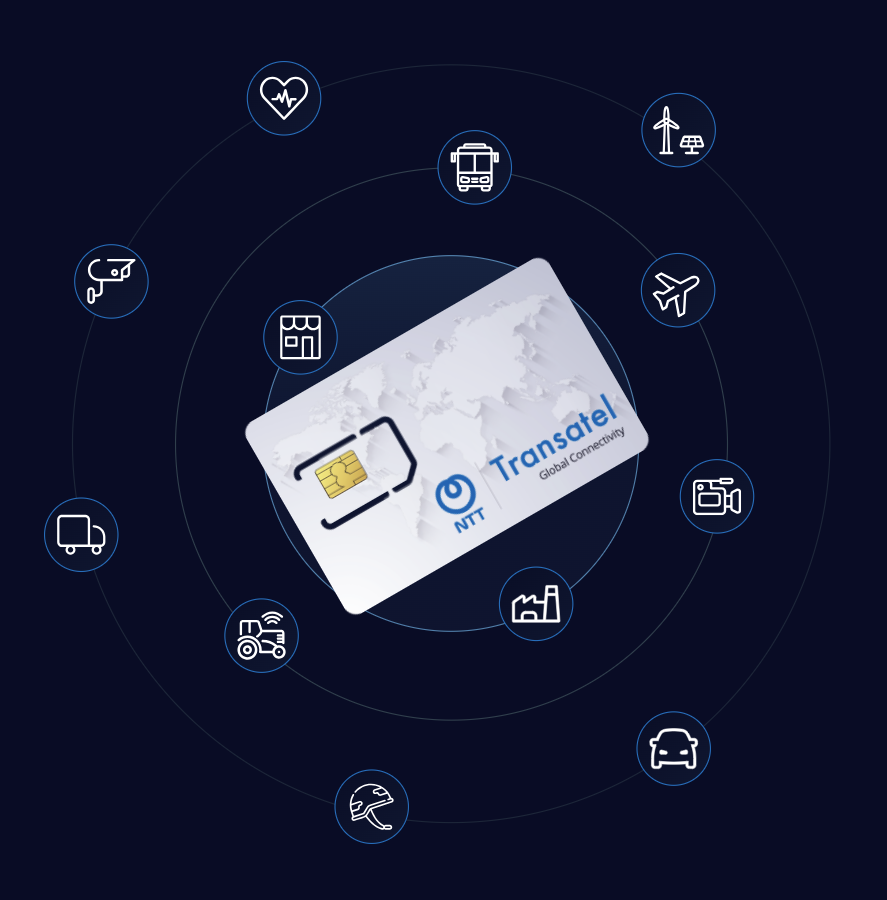
Transatel's multi-network IoT SIM cards provide connectivity across 200+ countries and territories, running on fully owned core infrastructure, regional points of presence, and an AI-driven connectivity management platform.

11
9
1
2
3
4
5
6
8
7
10
12

THE CHALLENGES

Why a wrong IoT SIM provider gets expensive fast

Every IoT SIM provider claims global coverage and simple pricing. The difference usually shows up after you've committed: in which countries are actually covered, what happens when a device drops offline, and what the SIM ends up costing once volume, minimums, and roaming fees are added in.

Coverage that looks better on the map than in the field

Global coverage maps rarely match the network agreements actually behind them. Without direct deals signed with local carriers, "global coverage" can mean a weak signal, or none at all, when devices roam in remote areas. 
Hidden costs for cheap IoT SIMs

Minimum commitments, per-country markups, and roaming surcharges often don't make it into the first quote. Costs should fall as your fleet grows, not climb once you're locked in.

Support that fades after the sale

An IoT SIM is only as reliable as the team behind it. Without 24/7 support and people who actually know your account, an issue in the field can sit unresolved while devices stay dark.

THE SOLUTION

Global IoT SIM card provider with a fully owned core network

Transatel has been doing this for over 25 years, connecting 650+ enterprises and deploying more than 10 million SIMs and eSIMs worldwide, across 200+ countries and territories, on infrastructure we own rather than lease.

Truly global coverage
even in most remote areas

Direct network agreements with hundreds of local carriers give your devices 2G, 3G, 4G/LTE, 5G and LTE-M access in the countries where they actually operate.

Pricing that gets
simpler with scale

Choose Pay-as-you-Go or pooled IoT SIM data bundles, with costs that drop as your volume grows and no long-term commitment required.

Dedicated support
around the clock

24/7 critical support and dedicated experts back every deployment, with NOC and SOC teams watching your fleet around the clock.

THE EDGE

Unrivaled data protection with network native security & PRC Trust framework

Protection

  • AI Anomaly Detection

  • Private APN

  • TLS 1.2

Resilience

  • Regional network edges

  • Network redundancy​

  • Core infrastructure redundancy

Control

  • Local regulation compliance​

  • NOC & SOC teams​

  • Dedicated network infrastructure

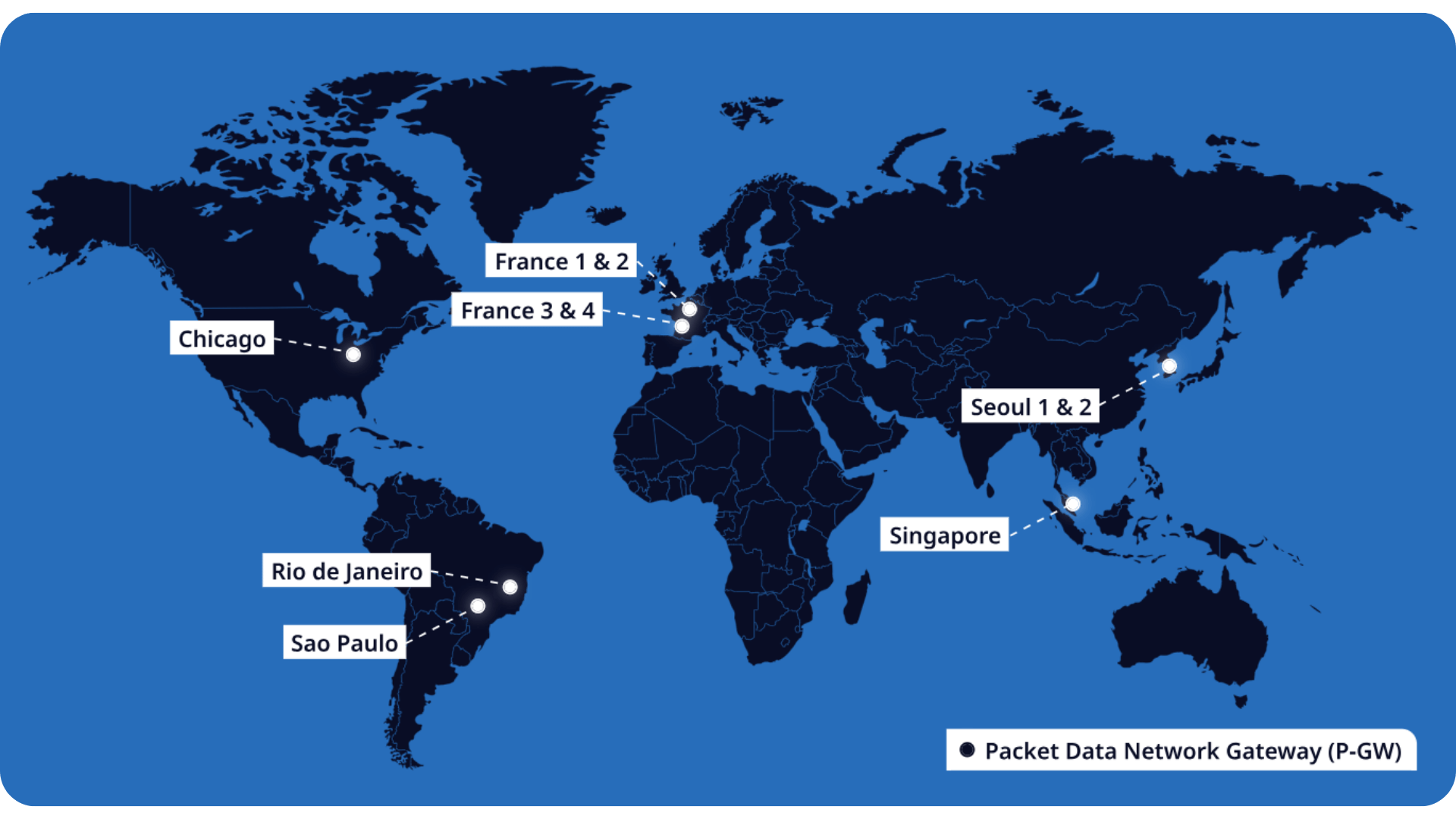
6 Continents.
200+ countries & territories.
One true global coverage.

  • Hundreds of roaming partnerships behind a single IoT SIM profile
  • Seamless multi-network switch for IoT and M2M deployments
  • Full regulatory compliance

Tested. Trusted. Tomorrow-ready.

Will your IoT project be our next success story?

QUOTE & ADVICE

Tell us about your
global IoT project

A global connectivity expert will get back to you with a proposal tailored to your volumes, countries, and devices.

🗸 Coverage assessment for your deployment areas
🗸 eSIM and module compatibility check for your IoT or M2M devices
🗸 Transparent pricing, no commitment, decreasing with volume
🗸 Test IoT SIMs and MFF2 samples to validate before production

FAQs

Frequently asked questions about
Transatel's eSIM for IoT and M2M devices

What is an IoT SIM card?

It's a SIM built for machine-to-machine and IoT devices rather than consumer phones, designed for multi-network access, a long service life, and remote profile management instead of a single local mobile plan. Ours runs on a multi-operator profile from day one, across 200+ countries and territories.

What makes an IoT SIM card the best choice for a deployment?

The distinction follows GSMA's remote SIM provisioning specifications. An M2M eSIM follows the SGP.01/SGP.02 M2M model, typically used for industrial and machine-to-machine devices. An IoT eSIM follows the newer SGP.31/SGP.32 IoT model, designed for constrained, headless devices with no screen or card slot. Transatel's eSIM supports both models on the same connectivity, alongside the SGP.21/SGP.22 consumer model.

What should I look for in an IoT SIM provider?

Look for a provider that owns its core infrastructure rather than reselling someone else's, has direct network agreements rather than roaming-only coverage, prices transparently and gets cheaper with volume, and backs it with real support. Transatel operates its own infrastructure and points of presence, and has connected 650+ enterprises over more than 25 years.

What's the difference between an IoT SIM card and an IoT data SIM card?

In practice they're the same thing: an IoT data SIM card is simply provisioned for data rather than voice or SMS, which covers most IoT and M2M use cases. Ours are data-first, on Pay-as-you-Go or pooled bundle pricing.

What SGP standards do Transatel's IoT M2M SIM card support?

Transatel IoT SIMs support the M2M model (SGP.01/SGP.02) alongside the consumer model (SGP.21/SGP.22) and the IoT model (SGP.31/SGP.32), and comes as a standard 2FF, 3FF or 4FF card or an industrial MFF2 chip built for the 10 to 15 year service life typical of M2M deployments.